
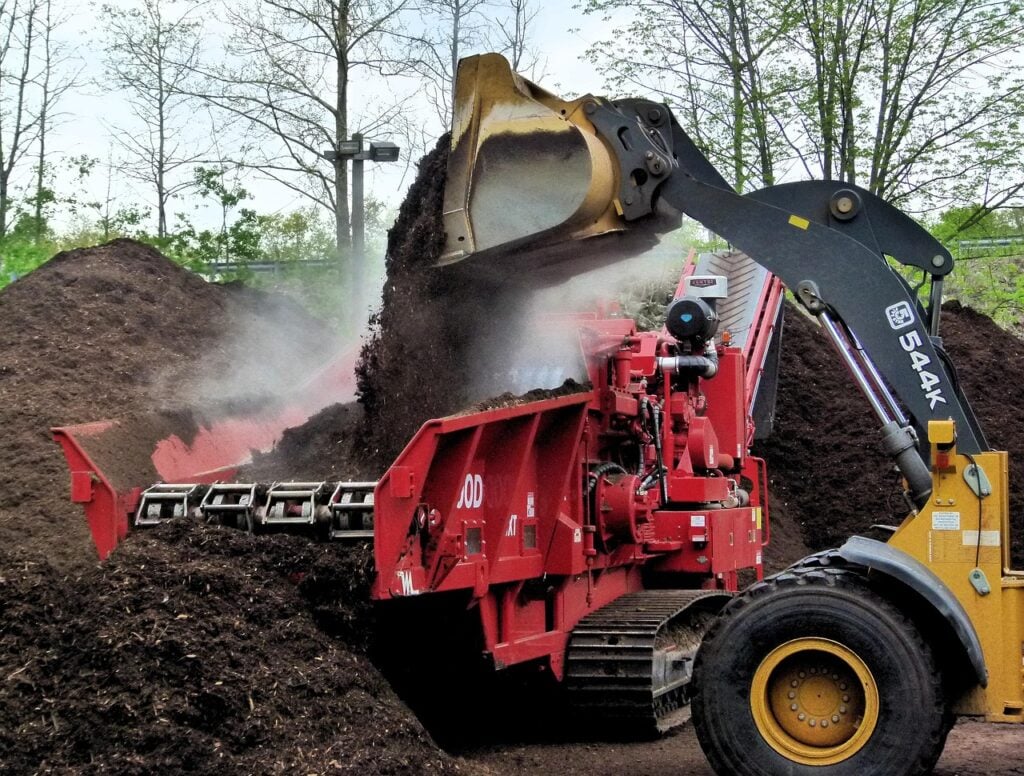
Expert Mulching Services
Specialising in large-scale embankment and open-area mulching to reduce fire hazards, support flood control, and prevent wildlife encroachment.
Fire Hazard Reduction
Minimise fuel loads and reduce fire risks in bushfire-prone areas.See key benefits
Flood Mitigation
Wildlife Encroachment Prevention
Tagline
Comprehensive Mulching Services for Every Need
We specialise in mulching and mowing large embankments and open spaces to reduce bushfire hazards, improve flood control, and help keep residential areas safe from encroaching wildlife.
Key Benefits
Improves site aesthetics, promotes soil health, and prevents erosion effectively.
Frequently Asked
What is mulching used for? It helps improve soil quality and retain moisture.
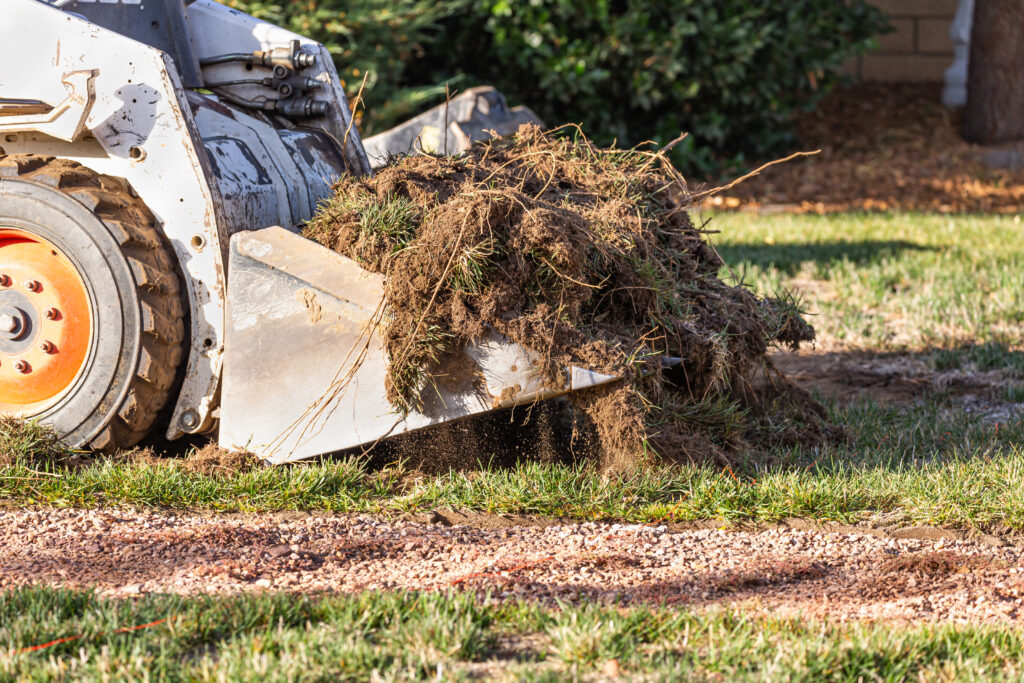
Transforming Landscapes
Our Expert Mulching Services for Every Need
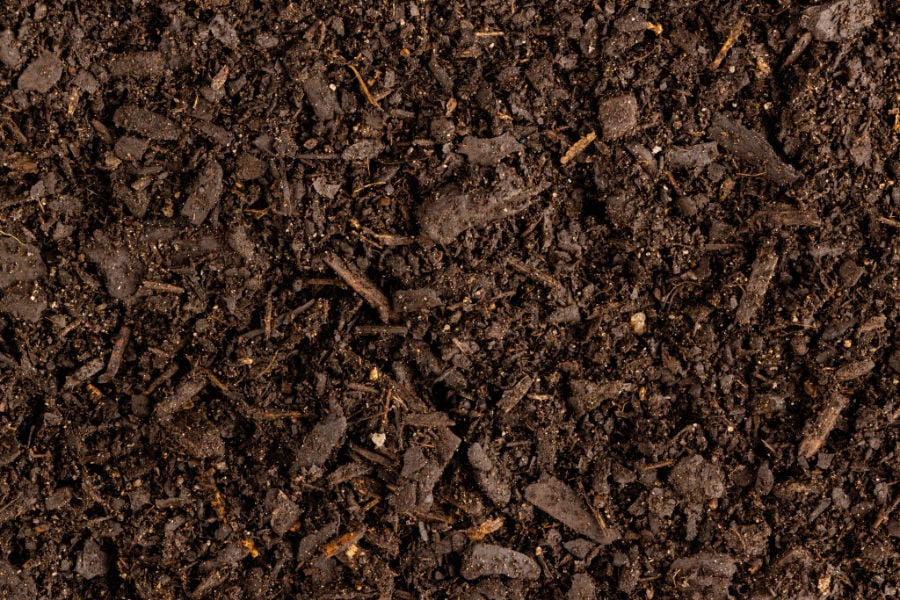
Enhance Your Environment with Professional Mulching Solutions
Our mulching services manage overgrown vegetation in large open areas, helping prevent fire risks, control flooding, and stop wildlife from entering developed areas.
Contact Us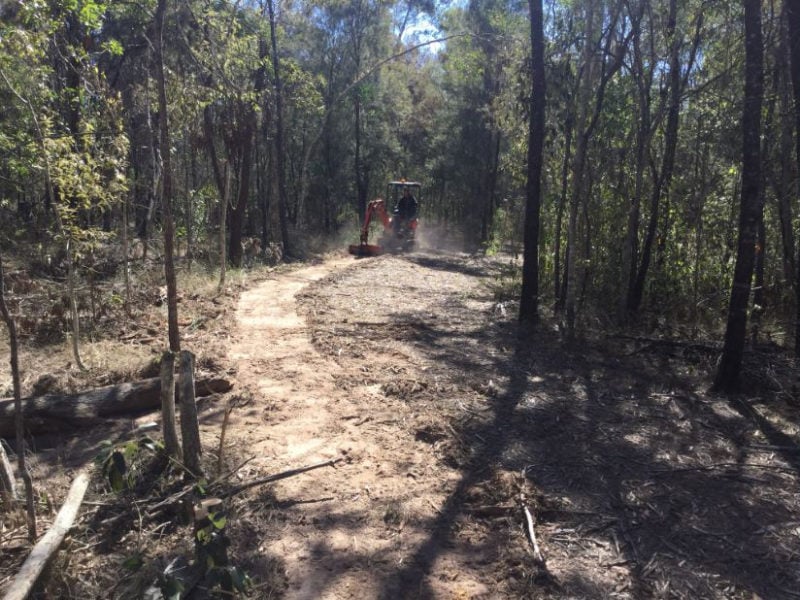
Key Applications of Our Mulching Services
We focus on large-scale embankments, public reserves, and stormwater corridors, supporting hazard reduction and environmental protection across NSW.
Contact Us
Frequently Asked Questions About Our Mulching Services
Mulching is used to enhance soil health and reduce fire risks.
Frequently Asked QuestionsMulching
Transform Your Land with Professional Mulching
Mulching isn’t just about appearance — it plays a vital role in land safety. Our professional services help reduce fuel loads for bushfire safety, improve drainage, and limit wildlife movement near homes and infrastructure.
FAQs
Find answers to common questions about our Mulchine services.
Mulching is the process of covering soil with organic or inorganic materials. It helps retain moisture, suppress weeds, and improve soil health. Common applications include landscaping, gardening, and erosion control.
Mulching enhances soil quality by adding nutrients as it decomposes. It also reduces soil erosion and promotes biodiversity by providing habitat for beneficial organisms. Furthermore, it aids in temperature regulation for plants.
Yes, mulching is environmentally friendly as it reduces the need for chemical herbicides. It promotes healthy ecosystems by supporting soil organisms and improving water retention. Additionally, using organic materials for mulch can contribute to waste reduction.
Common mulching materials include wood chips, straw, grass clippings, and shredded leaves. Each material has unique benefits, such as nutrient addition or moisture retention. Selecting the right mulch depends on the specific application and desired outcome.
Mulching should be refreshed annually to maintain its effectiveness. However, the frequency can vary based on the type of mulch and environmental conditions. Regular inspections will help determine when to replenish your mulch layer.